Viewing Differences Between Official Esports Broadcasts and Co-Streaming Broadcasts
Watching an esports tournament today often means choosing between two different ways to experience the same match. The official tournament broadcast and a creator’s co-stream may show the same gameplay, but they rarely feel the same. The commentary, production style, community interaction, and even the overall atmosphere can create two completely different viewing experiences.
Neither option is universally better. Instead, each serves a different purpose. Some viewers want a polished presentation that explains the tournament from beginning to end, while others prefer hearing a familiar creator react naturally and interact with their audience throughout the match.
Understanding how official esports broadcasts and co-streams differ makes it easier to choose the experience that fits what you want from a particular tournament or match.
Official Broadcasts Turn the Match Into a Complete Tournament Show
An official esports broadcast is more than just a live video feed. It is a complete program produced by the tournament organizer to guide viewers before, during, and after each match. At major tournaments, dedicated production teams typically manage essential elements such as video, audio, graphics, and live transitions. In games that use an observer system, professional observers control the in-game camera to capture important team fights, objectives, and player movements. At the same time, play-by-play casters describe the action as it unfolds, while analysts explain strategies, draft decisions, and the key moments that influence the outcome of the match.
Many official broadcasts also include pre-match segments, player interviews, statistical graphics, post-match analysis, and updates on the overall tournament standings. These features help viewers understand not only what is happening in an individual game but also why the result matters within the context of the competition.
This structured presentation benefits both long-time fans and newcomers. Even viewers who are watching the tournament for the first time can quickly understand which teams are competing, what is at stake, and how the outcome of a match affects the rest of the event.
Another defining characteristic is consistency. Official broadcasts generally aim to provide balanced coverage of all participating teams while maintaining a professional tone throughout the tournament. Although commentators naturally become more animated during dramatic moments, their primary role is to help viewers follow the match clearly rather than favor a particular team or player.
Co-Streams Reframe the Same Match Through a Creator’s Personality
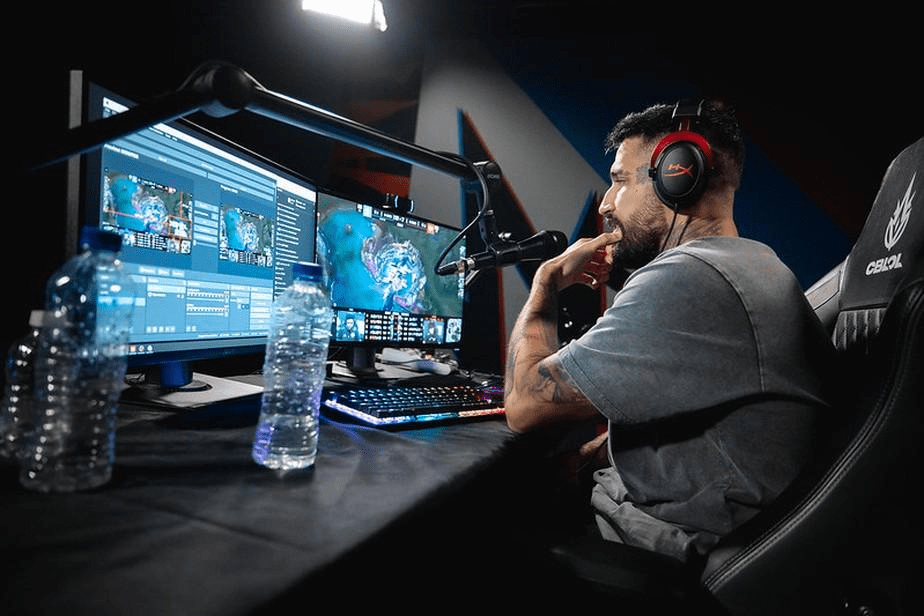
A co-stream offers a very different experience because the creator becomes part of the entertainment. Instead of building a television-style production, a co-stream centers on the personality, knowledge, and reactions of the streamer. The gameplay may come from the tournament’s official feed or another authorized source, but the creator decides how to discuss the match and what aspects deserve attention.
Some co-streamers are former professional players who explain high-level strategy, mechanical decisions, or drafting choices that casual viewers may not immediately notice. Others focus less on technical analysis and more on humor, emotional reactions, or conversations with their audience.
Because every creator has a different style, no two co-streams feel exactly alike. One streamer may spend several minutes explaining a single team fight in detail, while another quickly moves on to reading chat or joking about an unexpected play.
The community also plays a much larger role than it does during an official broadcast. Chat messages often shape the conversation, with viewers asking questions, sharing predictions, or reacting together to surprising moments. Many people enjoy this feeling of watching alongside a group of friends rather than simply observing a professionally produced event.

How Official Broadcasts and Co-Streams Create Different Viewing Experiences
Although both formats may show the same live match, the experience extends far beyond who is providing the commentary. The way information is presented, how viewers interact with the stream, and the overall atmosphere all influence how the tournament is experienced.
Following the Tournament Beyond a Single Match
Official broadcasts are designed to present the tournament as a complete event rather than a collection of individual matches. Replay packages, player statistics, interviews, analyst desk discussions, and tournament standings work together to explain how each result fits into the broader competition.
This structure makes it easier to understand not only what happened during a game but also why the outcome matters for the remaining stages of the tournament.
A Creator’s Perspective Changes the Focus
Co-streams approach the same match from the creator’s own perspective. Instead of following a fixed production plan, streamers decide which moments deserve attention and how they want to discuss them.
Some creators spend more time breaking down strategy or individual player decisions, while others prioritize entertainment, humor, or conversations with their audience. As a result, no two co-streams feel exactly alike, even when they cover the same event.
Production and Atmosphere Feel Different
Official broadcasts generally maintain a consistent presentation throughout the tournament. Audio, graphics, camera transitions, and commentary are carefully coordinated to create a professional viewing experience for a broad audience.
Co-streams are typically more informal. A creator may pause to respond to chat, react emotionally to a key play, or briefly move away from the match to discuss another topic before returning to the game. For many viewers, this less structured environment creates a stronger sense of community and personal connection.
The Best Format Depends on How You’ll Watch
Neither format is inherently better than the other because they are designed to serve different viewing preferences.
If your priority is understanding the tournament, following its storyline, and receiving structured analysis, the official broadcast is usually the better fit. If you already know the game well and enjoy a creator’s personality, community, or unique perspective, a co-stream may provide a more engaging experience.
Beyond commentary and presentation, several practical factors can also affect where you decide to watch. One common misconception is that official broadcasts always have more delay than co-streams. In reality, the timing difference varies depending on the tournament, streaming platform, production workflow, and the feed provided to authorized creators. During some events, viewers may notice almost no difference at all.
Replay availability is another consideration. Official tournament channels are generally the most reliable place to find complete match VODs, highlights, interviews, and tournament recaps after an event concludes. Co-stream archives, however, depend on each creator’s permissions, platform policies, and personal decisions about whether to keep recordings available.
Broadcast rights are equally important. Not every streamer can simply restream an esports tournament. Many organizers operate official co-streaming programs that require creators to receive permission or meet specific conditions before broadcasting tournament content. The exact rules differ between events, publishers, and regions, which is why some tournaments feature many authorized co-streams while others only allow official coverage. Understanding these practical differences helps viewers avoid confusion when searching for live coverage or replay content.
Official Broadcast or Co-Stream? Decide Based on Your Viewing Goals
Choosing between an official esports broadcast and a co-stream becomes much easier once you focus on your own viewing goals instead of asking which format is objectively better.
If you want to follow the tournament from beginning to end, understand every stage of the competition, and enjoy professional production, the official broadcast is usually the strongest choice. It provides the most complete picture of the event and presents the match within the broader tournament storyline.
If your goal is different, a co-stream may offer more value. Many viewers enjoy hearing a former professional player explain decisions that happen too quickly for casual audiences to recognize. Others simply enjoy sharing reactions with a creator whose personality they already know. During long group stages or regular season matches, that sense of community can make the viewing experience feel more relaxed and entertaining.
You also do not have to choose only one format. Many esports fans watch major finals through the official broadcast to experience the full production while later visiting their favorite creator’s channel to hear additional analysis or post-match reactions. Others switch between streams depending on which teams are playing or which creator is covering the event.
FAQ
Is a co-stream better than the official broadcast?
There is no universal answer. Official broadcasts generally provide structured tournament coverage, professional production, and balanced commentary. Co-streams offer a creator’s personal perspective, community interaction, and, in some cases, more specialized analysis. The better choice depends on what you want from the match.
Why do some viewers prefer co-streams over the official broadcast?
Many viewers enjoy the more casual atmosphere of co-streams. Watching alongside a familiar creator and an active community can feel more engaging than following a traditional tournament broadcast. Others appreciate hearing opinions from former professional players or creators whose personalities they already follow.
Choose the official broadcast when the tournament itself is your main focus. Choose a co-stream when you want to experience the match through the perspective of a creator whose commentary, expertise, or community adds something meaningful to the event.