
July 17, 2026
Why Movie Recommendation Algorithms Work Differently Across OTT Platforms
Why Movie Recommendations Work Differently Across Streaming Platforms
Movie recommendations are meant to help viewers find something good to watch without scrolling through hundreds of titles. But if you use more than one streaming platform, you may notice that the same viewing habit can lead to very different suggestions on Netflix, Disney+, Prime Video, Apple TV+, or HBO Max/Max.
This happens because streaming platforms do not all define “relevant” in the same way. Each service uses different user signals, works with a different content library, and has different goals behind what it chooses to show on your home screen.
A recommendation is not only a reflection of your taste. It is also shaped by what the platform owns, licenses, promotes, and wants you to watch next.
The Main Reason: Each Platform Reads Your Behavior Differently
Streaming platforms rarely reveal the full details of their recommendation systems. Most algorithms are proprietary, so it is better to think of recommendation signals as broad patterns rather than exact technical formulas.
Still, the basic idea is simple. Every platform learns from the activity it can see. That may include what you watch, what you finish, what you search for, what you rate, which profile you use, and whether you rent or buy content.
The same behavior can therefore be interpreted in different ways. If you watch several superhero movies, Netflix may treat that as a sign that you like action, fantasy, or fast-paced entertainment. Disney+ may connect that behavior more directly to Marvel or other franchise content. Prime Video may show both included superhero films and titles available for rental or purchase.
None of these recommendations is necessarily wrong. They are simply different readings of the same viewing pattern.
How Major Platforms Tend to Recommend Movies
The clearest way to understand the difference is to compare the general recommendation style of each platform.
| Platform | Recommendation Style | Best For | What to Watch Out For |
|---|---|---|---|
| Netflix | Highly personalized suggestions based on viewing history, watch behavior, ratings, searches, and similar viewer patterns | Discovering similar genres, binge-friendly series, Netflix Originals, and international content | Recommendations can become repetitive if you keep watching the same type of content |
| Disney+ | Franchise-focused and profile-aware recommendations shaped by Disney-owned brands and family settings | Marvel, Star Wars, Pixar, Disney Animation, family movies, and connected storylines | Recommendations may feel narrower if you are not looking for Disney-owned franchises |
| Prime Video | A mix of streaming recommendations, searches, rentals, purchases, and Prime Video activity | Finding included titles as well as newer movies available to rent or buy | Some recommendations may require an extra payment |
| Apple TV+ / Apple TV app | More curated recommendations connected to Apple Originals, watch progress, rentals, purchases, and supported services | Premium originals, smaller curated libraries, and users who track viewing across Apple’s ecosystem | The catalog may feel smaller than broader streaming services |
| HBO Max/Max | A mix of personalization, editorial collections, HBO content, Warner Bros. titles, prestige series, and genre discovery | HBO series, drama, documentaries, franchise collections, and curated viewing | Catalog names and availability can vary by region |
Netflix is often useful when you want the platform to keep finding similar things for you. Its system can be helpful for discovering shows, genres, or international titles connected to your past viewing.
Disney+ works differently because much of its value comes from major entertainment brands. If you watch one Marvel title, the platform has a clear path to recommend the next movie, a related series, or another title in the same universe.
Prime Video adds another layer because it includes both subscription content and paid rental or purchase options. This can expand what you see, but it also means you should check whether a recommended title is actually included in your plan.
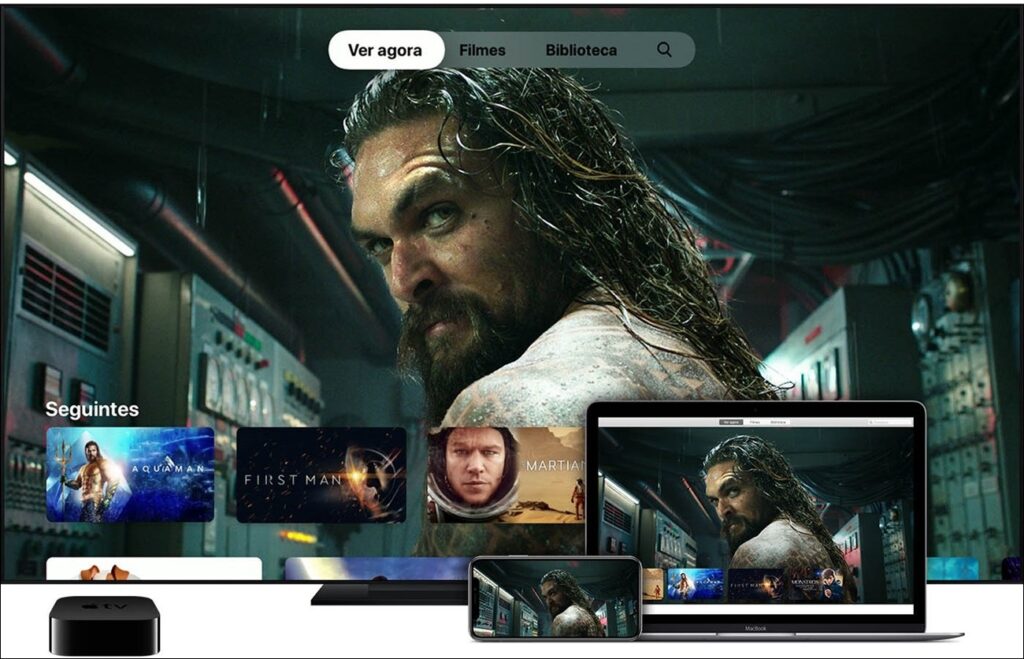
Apple TV+ and the Apple TV app can feel more curated than crowded, especially for viewers looking for Apple Originals or a central place to follow rented, purchased, or connected content. HBO Max/Max can also feel partly curated, especially around HBO series, Warner Bros. titles, documentaries, and editorial collections.

Catalogs, Regions, and Paid Titles Also Shape Recommendations
Recommendations are limited by what each platform can actually offer. Even if two services understand your taste in the same way, they cannot recommend the same movies if their libraries are different.
Streaming rights are often negotiated by country, region, and time period. A film available on one platform today may move elsewhere later. A title available in one country may not appear in another because of local licensing agreements.
Exclusive content also affects recommendations. Netflix will naturally highlight Netflix Originals. Disney+ can recommend more Disney-owned franchises. Apple TV+ promotes Apple Originals. HBO Max/Max may emphasize HBO, Warner Bros., and curated collections. Prime Video may mix included titles with movies that require rental or purchase.
This is why two people with similar viewing habits may still see very different home pages. The difference may come from the algorithm, but it may also come from catalog size, licensing rights, region, or paid-content options.
How to Use Recommendations More Wisely
Movie recommendations are helpful, but they should not be treated as perfect judgments of your taste. They are predictions based on available data, and that data can be incomplete or misleading.
For example, if you watch one horror movie with friends, the platform may start recommending more horror even if that is not your usual preference. If several people use the same profile, the system may mix everyone’s habits together, making recommendations less relevant for everyone. In that situation, the tips in How to Reduce the Exposure of Viewing History and Recommendation Lists When Sharing an OTT Account can help you keep viewing activity and personalized suggestions better separated. If you repeatedly watch one genre, the platform may keep showing similar titles and reduce variety over time.
A better approach is to use recommendations when you want discovery, and use search or browsing when you already know what you want.
| Situation | Better Action |
| You know the exact title | Search for the movie or series directly |
| You know the genre or mood | Browse categories such as comedy, horror, romance, crime, or documentary |
| You liked one specific movie | Use “More Like This,” “Similar Titles,” or related collections |
| Your profile mixes different people’s taste | Create separate profiles when the platform supports it |
| You keep seeing the same type of content | Explore new releases, award lists, editorial collections, or different countries |
| You are unsure where a movie is available | Check rental, purchase, or streaming availability tools |
The goal is not to choose between recommendations and search. The goal is to know when each one works better.
Final Thoughts
Movie recommendations work differently across streaming platforms because each service uses a different combination of user data, catalog access, business goals, and content strategy.
Netflix, Disney+, Prime Video, Apple TV+, and HBO Max/Max may all try to help you find something to watch, but they are not solving the problem in the same way. One platform may focus on keeping you watching similar content, another may guide you through franchises, another may include rental and purchase options, and another may lean more on curated originals or editorial collections.
Recommendations can be useful for discovery, but they should not be your only way to find movies. If your home page feels repetitive or inaccurate, search directly, browse by category, use related-title features, or create separate profiles. The best viewing experience comes from understanding what each platform is good at and using its recommendations with intention.